
What is constipation
It’s not the most glamorous topic, but it’s one that really matters.
In pelvic health, it’s often said that someone is “constipated until proven otherwise.” That’s because it is so common and because we know that sluggish bowels can quietly influence almost everything else — from bladder control and pelvic pain to prolapse symptoms and general wellbeing.
When stool sits in the bowel for too long, it can stretch and irritate surrounding structures, affect nerve sensitivity, and make the pelvic floor muscles work overtime. Straining to go can weaken the structures of the pelvis over time and exacerbate or contribute to prolapse symptoms.
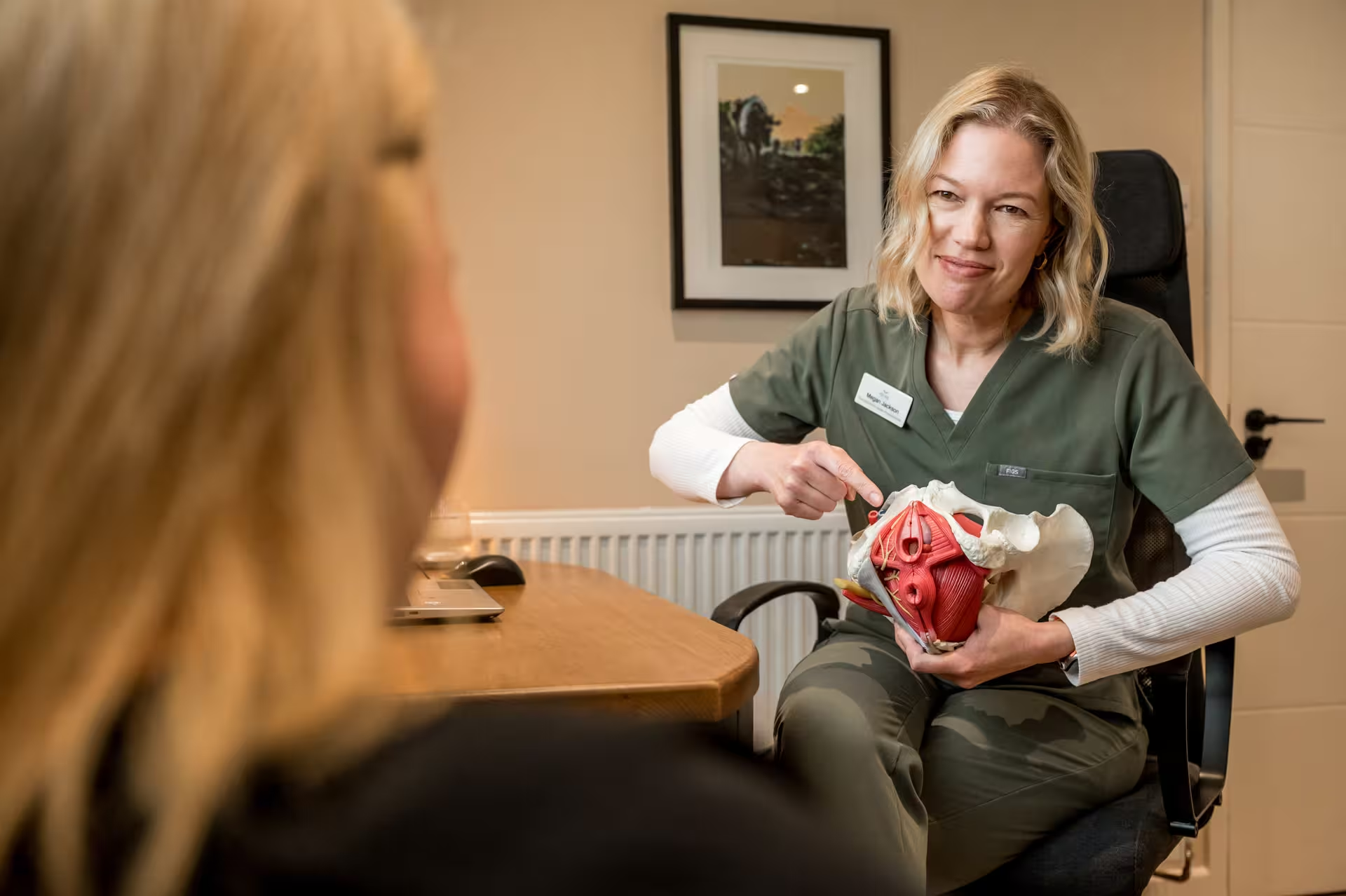
Constipation can develop for all sorts of reasons and we seek to understand the wider picture: how the bowel is moving, how the pelvic floor is functioning, and what habits or mechanics might be getting in the way of a smooth, easy bowel routine.
Treatment is tailored to you, but may include:
- Education and self-management advice – understanding normal bowel patterns and what affects them.
- Pelvic floor rehabilitation & biofeedback – improving coordination to support easier, more complete bowel emptying.
- Bowel retraining – re-establishing regular habits and improving awareness of urge and timing.
- Relaxation and breathing techniques – reducing unnecessary muscle tension and supporting effective emptying.
- Advice on toileting position and routine – small, practical changes that can make a big difference.
- Soft tissue and myofascial release – to improve mobility in the abdomen, hips, and pelvis.
- Lifestyle and dietary guidance – supporting healthy bowel movement through hydration, activity, and nutrition.
- Constipation is often one of the simplest problems to overlook, yet one of the most important to address. Getting things moving properly can have a remarkable knock-on effect — improving pelvic discomfort, bladder control, and even energy levels.