
What is pelvic pain
Pelvic pain is a broad term to cover a range of different issues.
It can manifest in different ways — a dull ache, a sharp or burning sensation, pressure or tightness, or discomfort linked to movement, sitting, or intimacy. For many people, it’s hard to know where the pain is coming from or why it started — especially when scans or tests don’t
Pelvic pain can affect both men and women, and is often linked to several overlapping factors. These can include muscle tension or weakness, joint or postural changes, nerve and nervous system sensitivity or irritation, bladder or bowel dysfunction, or the effects of surgery, injury, or childbirth. Conditions we often see include chronic pelvic pain syndrome (CPPS), pudendal neuralgia, endometriosis, vulvodynia, pelvic girdle pain and bladder or bowel pain.
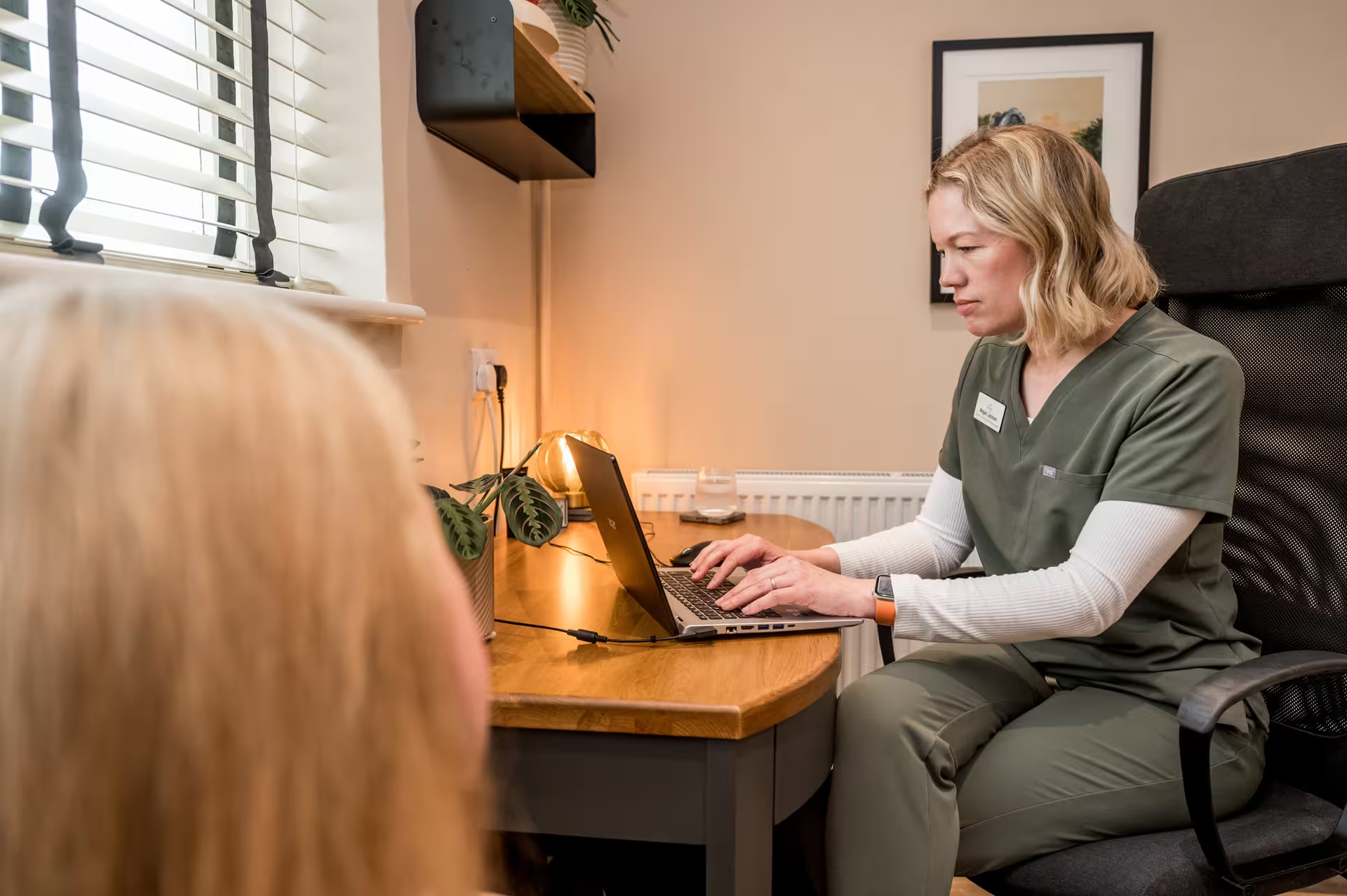
At Pelvix, we take time to understand the bigger picture — not just the pain itself, but how your body is moving, how your muscles and nerves are responding, and what might be keeping things from settling.
Treatment is always individual, but may include:
- Education and self-management advice – helping you understand what’s driving your pain and how to manage it day to day.
- Pelvic floor rehabilitation – teaching relaxation and coordination as well as strengthening, depending on your needs.
- Bladder and bowel retraining – to reduce urgency, frequency, or straining that may contribute to pain.
- Biofeedback and neuromuscular electrical stimulation – to improve awareness, muscle coordination, and relaxation.
- Focused Shockwave (ESWT) is a clinically proven, non-invasive treatment used to support healing, reduce pain, and improve function in both pelvic and musculoskeletal conditions.
- Relaxation and breathing techniques – to calm the nervous system and reduce tension and pain sensitivity.
- Myofascial and soft tissue release – gentle hands-on techniques
- Joint and spinal mobilisation
- Transcutaneous tibial nerve stimulation (TTNS) – a non-invasive method that can help reduce bladder or pelvic pain.
- Functional rehabilitation and lifting techniques – to help you build strength and fitness
- Advice on toileting positions and lifestyle modification
- Post-surgical recovery and scar tissue management – to help with discomfort or restriction following pelvic or abdominal surgery.