
Pelvic organ prolapse treatment
Pelvic organ prolapse happens when one or more of the organs in the pelvis.
Such as the bladder, womb (uterus), or bowel — lose support and begin to descend or press into the vagina. This occurs when the muscles and connective tissues that hold these organs in place become stretched, weakened, or injured.
It can happen at any age — not just after childbirth or menopause. Some people notice a feeling of heaviness, dragging, or pressure in the vagina; others describe a bulge, difficulty emptying the bladder or bowel, or discomfort during exercise or intimacy. Symptoms can range from mild to more intrusive, but prolapse is often far more manageable than people expect once they understand what’s going on.
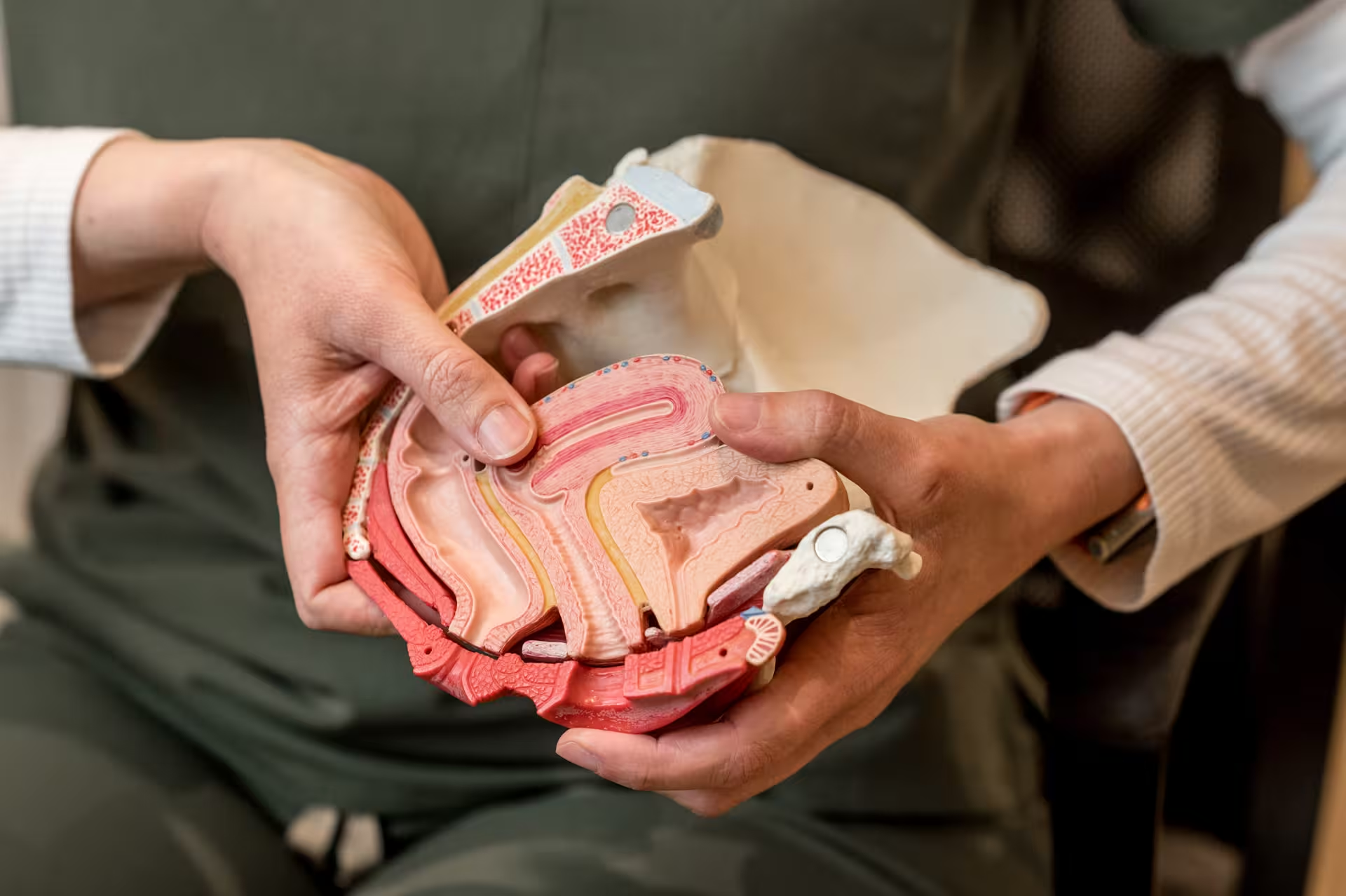
We start with a thorough assessment, and treatment is then designed to help you feel stronger and more supported.
Your plan is completely individual, but may include:
- Education and self-management advice – understanding what contributes to prolapse and what supports healing.
- Pelvic floor rehabilitation – improving strength, coordination, and endurance of the muscles that support your pelvic organs.
- Breathing and pressure management – learning how to move, lift, and exercise with confidence.
- Functional rehabilitation – rebuilding confidence in everyday movement, exercise, and lifting.
- Lifestyle and toileting advice – small, practical changes to reduce pressure and ease symptoms day to day.
- Post-surgical recovery support – if you’ve had prolapse repair surgery, we’ll help restore movement and function safely.