
What is pelvic girdle pain (PGP)
Pelvic girdle pain (PGP) describes pain felt around the pelvis.
Often in the lower back, hips, buttocks, groin, or over the pubic bone. It’s common during pregnancy but can also appear afterwards, sometimes lingering long after the baby has arrived.
While it was once thought to be caused by the joints “moving too much,” we now understand it’s often more about sensitivity in the muscles, joints, and nerves that support the pelvis. When those structures become irritated or overloaded, the body can respond by tightening or “guarding,” which can actually make pain and stiffness worse and makes your nervous system more sensitive. Over time, this can lead to changes in movement and strength, as your body adapts to avoid discomfort.
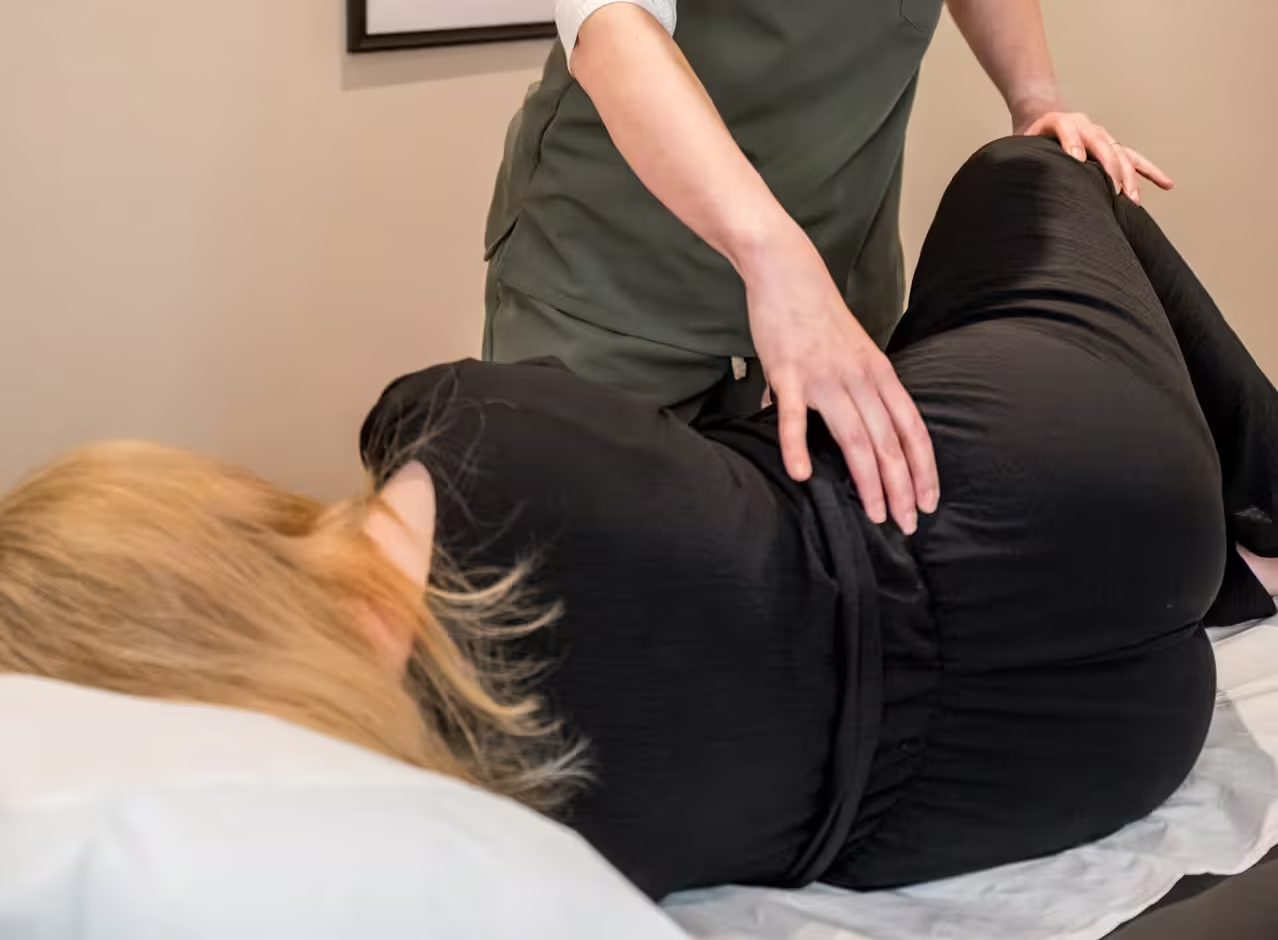
The goal with treatment is to calm sensitivity, restore confidence in movement, and gradually build strength and control in a way that feels safe and achievable.
Treatment may include:
- Education and self-management advice – understanding why pain develops and what helps calm it.
- Targeted movement and strengthening exercises – building stability and ease of movement without overloading the area.
- Manual therapy and myofascial release – gentle techniques to ease tension and improve comfort.
- Breathing and relaxation work – to reduce muscle guarding and support coordinated movement.
- Functional movement retraining – practising day-to-day activities like walking, rolling, or lifting with confidence.
- Advice on pacing and posture – simple, realistic adjustments to help reduce irritation and fatigue.