
Dyssynergic defecation/anismus treatment
Sometimes constipation isn’t caused by what’s happening in the bowel, but by what’s happening at the exit.
Dyssynergic defecation and/or anismus are types of “outlet obstruction” where the muscles around the rectum and pelvic floor don’t coordinate properly during a bowel movement or are too tight and cannot relax.
Instead of relaxing when you try to empty your bowels, the pelvic floor muscles may tighten or fail to let go completely. This can make it feel like you need to strain or sit for a long time, that stool gets “stuck,” or that you never quite empty fully — even when you go regularly.
Over time, that straining and incomplete emptying can contribute to other pelvic symptoms, including pain, haemorrhoids, fissures, prolapse, and urinary issues. It’s a common but often overlooked cause of constipation.
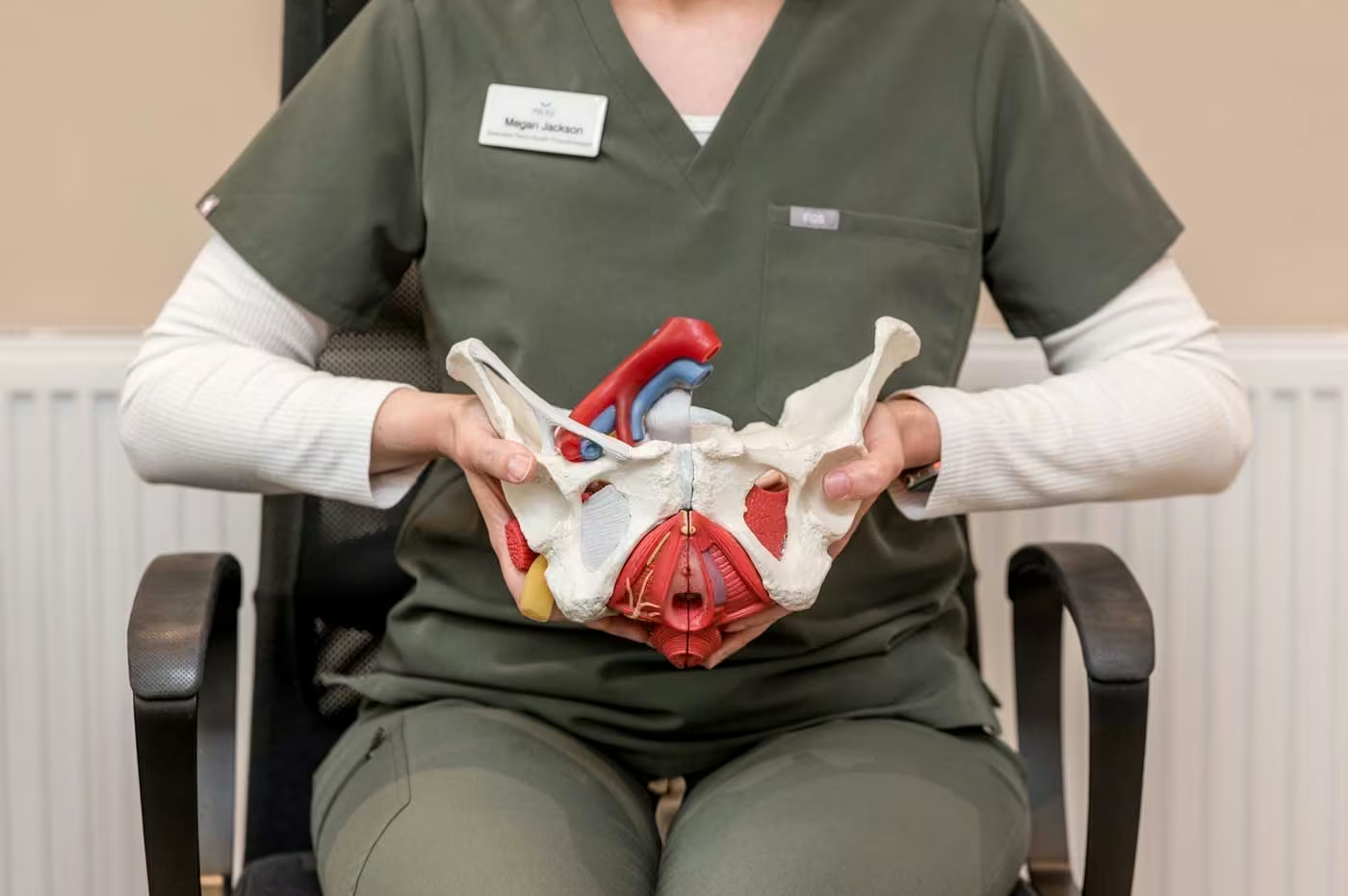
At Pelvix, we use gentle assessment and education to help identify whether your constipation may be linked to pelvic floor muscle coordination. Once we understand the pattern, treatment focuses on retraining those muscles to work with the bowel rather than against it.
Your plan may include:
- Pelvic floor retraining – learning to relax and coordinate the muscles that control bowel emptying.
- Biofeedback – using visual or sensory feedback to improve muscle awareness and control.
- Breathing and relaxation techniques – to support easier, more efficient bowel emptying.
- Education on toileting posture and timing – reducing the need to strain and supporting more complete emptying.
- Addressing restriction in structures around the pelvis through exercise or hands-on treatment.
- Lifestyle and bowel habit advice – including hydration, activity, and routine adjustments