
Is vaginal birth recovery really quicker than a caesarean birth?
There’s a persistent myth that having a vaginal birth equals a quick, easy recovery whilst caesarean delivery means weeks of taking it easy. The reality? Both require proper recovery time – they’re just different kinds of recovery.
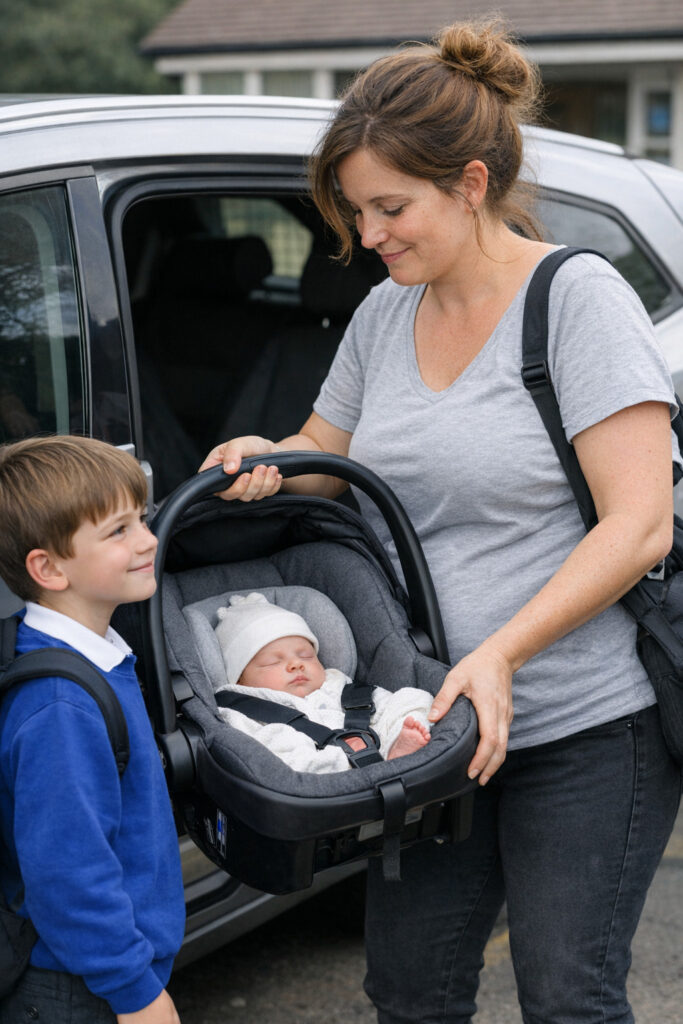
Here’s what often happens: a woman has a vaginal birth, feels relatively well within a day or two, and assumes she’s good to go. With a second or third baby, she’s often back on the school run, doing the supermarket shop, and lifting her toddler within 48 hours of giving birth. Meanwhile, the woman who’s had a caesarean is being told to rest, avoid lifting, and take things slowly.
The problem? That woman who had a vaginal birth needed that advice just as much.
Table of Contents
What Actually Happens During Vaginal Birth
During vaginal delivery, your pelvic floor muscles are stretched significantly to allow your baby to pass through. We’re talking about muscles stretching to many times their resting length. This is completely normal and your body is designed for it, but let’s be clear about what this means for the immediate postpartum period.
These muscles have been stretched apart, and they need time to come back together and regain their strength and coordination. In the days and weeks following birth, your pelvic organs don’t have their usual level of muscular support. The ligaments that also support these organs have been softened by pregnancy hormones, adding to the vulnerability.
This is why the immediate postpartum period after vaginal birth carries a higher risk of prolapse. Your pelvic floor has done an incredible job, but it needs time to recover.
The Dangerous Assumption
The assumption goes something like this: “I don’t have an abdominal wound, I feel okay, therefore I must be fine to carry on as normal.”
But just because you can’t see the trauma doesn’t mean it hasn’t happened. Your pelvic floor has been through a major event. It needs recovery time, just as much as abdominal muscles need time to heal after being surgically cut.
The woman who’s had a caesarean has obvious external signs that she needs to rest. She has pain that reminds her to take it easy. She’s been given clear instructions about not lifting and resting regularly.
The woman who’s had a vaginal birth often has none of these obvious signals, particularly if she’s had a straightforward delivery. She might feel tired and sore, but not incapacitated. So she carries on.
The Second Baby Trap
This pattern is even more pronounced with second or subsequent babies. You’ve “done this before,” you feel more confident, and crucially, you have another child who needs you.
So you’re up doing the school run, lifting your toddler in and out of the car seat, carrying them when they’re tired, bending down constantly, doing the food shop. All within days of giving birth.
Your body hasn’t had a chance to recover from pregnancy, let alone birth. Your pelvic floor is still stretched and weak. And you’re asking it to manage loads and pressures it’s not ready for yet.
This is when we see problems developing that may not become apparent until later.
Rethinking Recovery Time
When done well, vaginal birth recovery should look quite similar to caesarean recovery in terms of taking things easy, especially in those crucial first two weeks.
This doesn’t mean bed rest (which actually isn’t helpful), but it does mean being thoughtful about what you’re asking your body to do. By resting up in the early weeks, you’re actually speeding up your recovery.
Your Recovery Roadmap: The First Two Weeks
Rest, but not bed rest: Gentle movement is important for circulation and general recovery, but this means potter-around-the-house movement, not power walking or lifting heavy shopping.
Lie down regularly: Aim to lie down for short periods several times throughout the day. This offloads your pelvic floor and gives those stretched muscles a chance to recover without the weight of your organs pressing down on them. Even 15-20 minutes makes a difference.
Try lying on your stomach: Spending 10 minutes lying on your front twice a day can help your uterus return to its pre-pregnancy position more efficiently. Pop a pillow under your hips if it’s more comfortable, especially if you’re breastfeeding.
Avoid heavy lifting: This includes toddlers where possible. I know this is tough with other children, but can you sit down and have them climb onto your lap rather than lifting them? Can your partner, a family member, or a friend help with the heavy lifting for now?
Toilet positioning matters: Use a footstool to raise your knees higher than your hips when having a bowel movement. This optimizes your pelvic floor position and reduces strain. Try not to strain or push hard.
Stay hydrated and keep your bowels moving: Constipation and straining are not your friend right now. Drink plenty of water and try to eat foods you know help you stay regular. If you’re struggling, speak to your GP or midwife about stool softeners.
Listen to heaviness or dragging: If you feel a heavy, dragging sensation in your pelvis, or a feeling of something “coming down,” this is your body telling you to rest. Lie down with your hips elevated for 20-30 minutes.
Get the school run help: This is not the time to prove you can do it all. Ask your partner to take time off, rope in grandparents, organize a school run rota with other parents, or use a childminder for a couple of weeks.
Weeks 2-6: Gradual Progression
As you move through the early weeks postpartum, you can gradually increase your activity, but the key word is gradual.
Start with gentle walks: Short, flat walks are perfect. If you feel heaviness or pressure in your pelvis during or after, you’ve done too much too soon. If you’re feeling particularly energetic you can do some low-impact cardio like riding a bike.
Rebuild your core connection: Gentle core and pelvic floor engagement exercises can begin whenever you feel ready, but avoid sit-ups, crunches, or planks for now. This video made by the folks at Mummy MOT HQ is helpful
Gradual lifting progression: As you feel stronger, you can start lifting your toddler again, but be mindful of your technique. Breathe out as you lift, try to engage your pelvic floor, keep them close to your body, and avoid repetitive heavy lifting where possible.
No high-impact exercise yet: Running, jumping, trampolining with the kids – all of these need to wait. Your pelvic floor isn’t ready, even if you feel energetic.
Beyond Six Weeks
The six-week check is not a green light to return to everything you did before pregnancy. Think of it as a checkpoint, not a finish line. Consider booking a Mummy MOT. This is a comprehensive and tailored postnatal check which allows for an opportunity to assess pelvic floor and abdominal recovery and function, and gives you strategies to improve any ongoing symptoms as well as support to return to exercise.
What About Caesarean Recovery?
I don’t want to downplay caesarean recovery at all. It’s major abdominal surgery and requires proper healing time.
The point isn’t that vaginal birth is harder or needs more recovery than caesarean birth. The point is that both need proper recovery. Neither is a “quick bounce back.”
When to Seek Help
See a pelvic health physiotherapist (like us!) if you’re experiencing:
- Heaviness or bulging in your vagina
- Leaking urine when you cough, sneeze, laugh, or exercise
- Difficulty controlling wind or stool
- Pain during sex
- Ongoing abdominal separation beyond 12 weeks
- Any concerns about your pelvic floor function
The Bottom Line
Vaginal birth is not a quick recovery just because you can walk around the next day. Your pelvic floor has been through a significant event and needs time to heal, just as any other tissue in your body would.
Give yourself permission to rest and accept help if you are able to. Lower your expectations for these early weeks. Your pelvic floor will thank you.
Because the myth of bouncing back after vaginal birth? It’s not just unhelpful – it’s actively harmful. Let’s retire it for good.